


4-Month-Old Baby In Quarantine For Suspected Swine Flu
May 3, 2009 by tanya
Filed under Baby Health, News
In Japan, a 4-month-old baby from the United States had been isolated after a suspected case of swine flu.
The baby had arrived on Friday with a high temperature at Tokyo’s US Yokota Air Base from the United States.
“The baby’s mother and 13 other passengers who had been sitting close to the baby have shown no symptom of being infected with influenza,” said the foreign ministry.
Tests have since shown that the baby had been infected with seasonal influenza, and not swine flu. The means that Japan still has had no cases of the virus. The baby should be released from quarantine later today.

 Welcome back! If you love Baby Chums, please subscribe to our RSS feed.
Thanks for dropping by and enjoy!
Gillibrand Talks About Her Shock On What Is ‘Really’ In Baby Products
May 1, 2009 by tanya
Filed under Baby Health, News, Product News
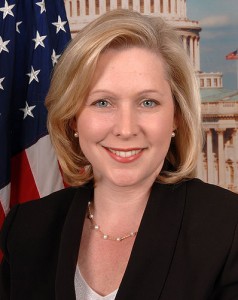 Politician and mother of two, U.S. Sen. Kirsten Gillibrand has been talking about her “Safe Baby Products Act”.
She has asked the Food and Drug Administration to carry out further investigations on the chemicals used in children’s toiletries, so that products can be regulated better.
Last month, a report was published by the Campaign for Safe Cosmetics which highlighted concerns on the number of popular baby bath products which contained “probable human carcinogens” such as 1,4-dioxane and formaldehyde. They are often used to soften certain harsh chemicals in toiletries.
Shockingly, these contaminates do not appear on product labels as they are often byproducts or due to chemical breakdowns over time in the products.
Gillibrand said at a press conference: “As a mother, and as a parent, when I read the list of these products, I was highly concerned because many of the products on this list were literally in my bathroom, and I’ve been using them,”
“I don’t know why this has not been addressed before, but it’s very worrisome,” Gillibrand says. “When I get a baby product, I assume it’s safe. … If there’s no testing going on, and we’re just trusting the manufacturer, I don’t think that’s enough.”
For parents who are concerned about the baby bath products they are using, they should read the ingredient labels and look out for:
- Peg-100 stearate
- sodium laureth sulfate
- polyethylene
- ceteareth-20
- Quaternium-15
- DMDM hydantoin
- imidazolidinyl urea
- diazolidinyl urea
- sodium hydroxymethylglycinate.
The Campaign for Safe Cosmetics independently carried out test on 48 products for 1,4-dioxane, and found that 32 contained levels which were of concern.
When the products were tested for the preservative formaldehyde, 23 were found to be at a very high level.
Products that contained both included:
- Johnson’s Baby Shampoo
- Baby Magic “Soft Baby Scent” lotion
- Huggies Naturally Refreshing Cucumber & Green Tea Baby Wash
- Pampers Kandoo Foaming Handsoap in Magic Melon.
To download a free e-book and learn more about the chemicals in skin care, go to:
>>Free Chemical Ingredients Dictionary<<
6 Ways To Help Protect Your Child From Swine Flu Without Vaccinations
April 30, 2009 by tanya
Filed under Baby Health, News
With the panic about Swine flu, and American health officials declaring a public health emergency - people around the world fear that there may soon be a global pandemic.
The virus has now been determined that it can be transmitted human-to-human, and rates of infection are already higher than the last official flu pandemic in 1968 of the Hong Kong flu.
Parents who are concerned about the Swine flu have been told to be on the lookout for the symptoms below:
- Your child has a fever of over 100
- They are coughing
- They have a runny nose or a sore throat
- Their joints ache
- They are complaining of a headache
- Your child has been vomiting or has diarrhea
- They seem very lethargic
- They have lost their appetite
Currently, the worlds top flu experts have been unable to predict how dangerous the strain of flu is, and have very little information about whether the virus had been getting more or less dangerous before the official outbreak.
There are measures that can be taken to help protect your families, without heading down the route of vaccinations - which in the last flu panic of the 1970’s did more harm than good.
These guidelines will help keep your child’s immune systems ticking over nicely, so that there will be less chance of catching the flu:
- Make sure your child is having enough Vitamin D - this protects them from infection. People who are Vitamin D deficient may be more susceptible to catching the flu. The sun is actually our largest source of vitamin D. So try and get your child outside for some fresh air. You can also get vitamin D from foods such as fish and liver, or from a multi-vitamin suitable for your child’s age.
- Try and give them fresh food - avoid giving your child processed foods or food high in sugar. Sugar has been shown to reduce the function of the immune system, and increases the chance of viruses or illness. Look for foods high in omega-3 fats, as these are great for maintaining good health. Omega-6 oils will damage the immune system… many products will now say on their label if they are high in omega-3.
- Make sure your child gets enough rest - they will be able to fight off illness better if well rested.
- Exercise - this will help strenghten their immune systems. If they are able to walk, take them to the park and let them run around. For babies who are crawling, chase them around the house!
- Make sure they wash their hands often - This will help stop germs spreading to other people.
- Avoid going to the hospital, unless it is an emergency - If you are going to be exposed to the flu, there is a good chance it will be here!
If parents have any concerns, they should contact their doctor.
Swine Flu Alert or, “Pig Flu” - Simple Advice
April 30, 2009 by Baby Chums
Filed under Baby Health, News
 There are eight confirmed cases of swine flu in the UK. In the United Sates, The Centers for Disease Control and Prevention has now confirmed nearly 130 swine flu cases in eleven states, adding South Carolina to the list with ten test results coming back positive.
In Mexico roughly 12 people have died and more than 260 have been infected, (these numbers were previously 2,500 cases and 168 deaths.)
Here are some simple steps you can take to help protect yourself, your family and others.
The World Health Organization (WHO) on Wednesday night raised the level of the swine flu alert from Phase Four to Phase Five. This is a “strong signal that a pandemic is imminent,” says the WHO.
The Key messages:
If you have flu-like symptoms and have recently returned from Mexico or another affected area, or been with someone who has:
- Stay at home and contact your GP or Health practitioner
- Do NOT go into your GP surgery, or to a hospital, as you may spread the disease to others
- If you are unsure about your symptoms, use this special Swine Flu symptom checker
Key actions
Remember, preventing the spread of germs is the single most effective way to slow the spread of diseases such as swine flu. You should always:
- Ensure everyone washes their hands regularly with soap and water
- Clean surfaces regularly to get rid of germs
- Use tissues to cover your mouth and nose when you cough or sneeze
- Place used tissues in a bin as soon as possible
You can also prepare now in case the swine flu becomes widespread by:
- Establishing a network of “flu friends” - friends and relatives - who can help if you fall ill. They could, for example, collect medicines and other supplies for you, so you wouldn’t have to leave home
- Having a stock of food and other supplies, including basic cold remedies, available at home. This should be enough to last two weeks, in case you and your family are ill
Having Over Five Children May Increase Risks Of Heart Transplant Complications
April 29, 2009 by tanya
Filed under Baby Health, News
Researchers in Paris claim that women who have five or more children may be at higher risk later on in life if they require a heart transplant.
The findings, made by the Internation Society for Heart and Lung Transplantation, were presented at their 29th Annual meeting.
Lead investigator, Cheri Silverstein, from Vanderbilt University in Nashville, Tennessee said “Pregnancy may represent an independent risk factor for yearly acute rejection risk,”
Women who have orthotopic heart transplantation were shown to be at higher risk of rejection compared to men.
Previous studies have suggested that when a women has over two pregnancies, they will be at higher risk for elevated panel reactive antibodies (PRA), which act as a marker for rejection.
Collecting data from the United Network for Organ Sharing (UNOS) database for over a decade, they found data on rejection and number of children for 2644 women.
Women who had not had any children were found to have virtually no risk, compared to women with over five pregnancies who were the highest risk.
The study was only able to look at the data of patients who had survived over 275 days, and so could not investigate cases where there were hyperacute rejections or early adverse outcomes.
Moderator Stuart D. Russell told Medscape Transplantation “There’s no question that the incidence of presensitization and antibodies goes up with pregnancy,”
“What’s intriguing to me and to others is that there was another paper presented here [that showed that] mortality among patients with peripartum cardiomyopathy was significantly lower at 5 years, with the primary reason being noncompliance. With all the caveats of the UNOS dataset, it makes one wonder whether there might be a group of young women who get into a disastrous situation, and because of that, they may have issues with compliance, as well as the fact that they’re presensitized and, by that fact alone, are at increased risk.”
Half of Cot Deaths as a result of bed sharing with babies
April 29, 2009 by Baby Chums
Filed under Baby Health, News
 The Foundation for the Study of Infant Deaths (FSID) latest evidence shows bed sharing or, “Co-Sleeping” is responsible for approximately half of cot deaths.
Risks are heightened if either parents has been drinking, smokes, has taken sedative medication or is overly tired. Without these factors, the charity said that the safest place for a baby was its own cot fro sleeping.
Premature babies and those weighing less than 2.5kg are particularly at risk.
The Royal College of Midwives said blanket advice was unhelpful to parents. The college’s Cathy Warwick said: “It is a terrible tragedy for the parents when they suffer the sudden death of their child, so any research that sheds light on the potential causes is important.
“However, the situation around co-sleeping is complex, and blanket advice to avoid it is perhaps unhelpful to parents who may want to do it.
“A number of factors need to be considered by parents before and if they do this, and they need to discuss this with their midwife to make an individual and informed decision.”
FSID’s director, Joyce Epstein, said: “We recognise the urgent need to raise awareness of the dangers associated with bed or sofa sharing with your baby.
“It’s fine to breastfeed in bed, but if you smoke at all - even if not in the bedroom - or you’ve drunk alcohol - you really must protect your baby and put them in their cot to sleep.”
John Pollard, a coroner for the Manchester South District, said he saw many families whose lives had been devastated by the sudden death of their baby.
We need to make all parents aware that the most comfortable place for them to sleep is the most dangerous place for their baby.
Pollard said: “The numbers of infants that we continue to find dead in beds, on sofas or armchairs is unacceptable.
“We need to make all parents aware that the most comfortable place for them to sleep is the most dangerous place for their baby.”
Data from Dr Marta Cohen, paediatric pathologist at Sheffield Children’s Hospital, showed that of the 50 cases she investigated between 2004 and 2007, 31 were found to have been sharing a bed or sofa with a parent.
Dr Chris Wright, consultant perinatal pathologist at the Royal Victoria Infirmary, Newcastle, examined 15 cases of unexpected death in infants between 2008 and 2009 - seven were found in the parental bed and two had died on a sofa.
In the London area between 2005 and 2008, 173 babies died suddenly and unexpectedly. And 85 of these infants were found dead after falling asleep in bed with an adult or on a sofa.
The RCM says many factors can contribute to the safety of co-sleeping, including cultural practices, whether the baby is being breastfed, what kind of bedcovers are being used, and where the co-sleeping is taking place.
It recommends that parents discuss the issue with their midwife, and that based on the evidence they can make an informed choice about co-sleeping.
23-Month Old Dies From Swine Flu In Texas
April 29, 2009 by tanya
Filed under Baby Health, News
 A 23-month old from Texas has died from the swine flu. It is the first fatality outside of Mexico.
Dr Richard Besser, from the Centres for Disease Control and Prevention confirmed the death today. The toddler tied from the H1N1 strain of the deadly virus.
The virus has so far claimed around 160 deaths in Mexico, with over 80 cases now been reported worldwide.
Three more cases in Britain have been reported, including a 12 year-old girl from Torbay.
Prime Minister Gordon Brown said Britain is “among the best prepared countries in the world” to deal with the outbreak. “We have been preparing for this kind of scenario for many years,”
Over 25 million homes in the UK will receive leaflets from the Department of Health to explain how to stop swine flu spreading. They will also be ordering over 32 million protective face masks to protect healthcare workers.
People who are showing signs of symptoms have been advised to remain at home to reduce the risk of infecting people they come into contact with.
Symptoms may include a pain in or across their chest, pain in their shoulder, shortness of breath, has swelling around the lips, mouth or tongue or has lips, fingernails or toenails that have changed colour.
If caughter early, it is thought that the virus will be similar to the discomfort caused in normal flu cases. It is believed to be less dangerous than bird flu, the H5N1 strain.
Sufferers are advised to remain at home, drink plenty of water and to take paracetamol. They should cover their mouths when coughing, wash hands often and put used tissues into the bin immediately.
Parents should call a doctor immediately if their child shows any symptoms.
10 Signs That Your Baby Is Ready To Be Weaned…
April 28, 2009 by tanya
Filed under Baby Health, Baby Tips
 Weaning is the process of moving a baby gradually on to solid food. After six months, breastmilk alone doesn’t provide your baby with enough nutrients, in particular iron, so other foods are needed.
The Department of Health used to recommend that babies were started on solids between the ages of four and six months. Then in May 2003, the following statement was issued:
“Exclusive breastfeeding is recommended for the first six months of an infant’s life as it provides all the nutrients a baby needs.
If you do feel that your baby needs to start solids before six months, you may want to have a chat with your health visitor. This is particularly important if you baby was premature.
Be aware that introducing solids too early or increasing the amount too quickly may result in damage to the baby’s digestive system. It may also mean that your baby does not take the amount of milk it requires to obtain his daily requirement of essential nutrients.
Weaning too early has been linked with a higher risk of developing conditions such as asthma, eczema and hay fever. It sometimes also leads to infants being overfed and resulting in obesity, which increases the risk of cancer, diabetes, and heart disease later on in life.
If you do decide to wean your baby onto solids before six months, there are a number of foods that need to be avoided, such as those containing gluten, eggs, cheese, dairy products, fish and shellfish.
The goal is to get your baby to be eating a well balanced diet by their first birthday. At this point, they should be eating most foods, although they will need meals to be chopped up.
Is my baby ready to start eating solids?
Every baby is different, take a look at the following checklist to help you decide whether your baby is ready to start eating solids:
1. Is your baby over four months old?
2. Can your baby swallow food easily? Young babies can only swallow liquids – as they get older, they will drool less and start transferring food from the front of their mouth to the throat.
3. Can they sit upright, either on their own or with help, and support their head and neck well?
4. Have they started to make chewing motions, such as trying to chew their hands more?
5. Are they showing more interest in solid food? This is one of the strongest signs of readiness to wean. They may try to grab food of your plate.
6. Have they doubled their birth weight? This usually happens before or around their sixth month.
7. Are they demanding more frequent milk feeds and showing signs of hunger?
8. Do they seem unsatisfied and still hungry after a full milk feed?
9. Are they sleeping through the night? After a period of sleeping through the night they may start waking up for a feed.
10. Do they get distracted when feeding? Maybe they are stopping and starting feeds to play with objects or to try and chat.
If you answered ‘Yes’ to the majority of the above signs, then you may want to think about starting to wean your baby. You should talk to your health visitor or doctor if you have any concerns about introducing solids to your baby’s diet.
New Advice Given For Pregnant Women With Epilepsy
April 28, 2009 by tanya
Filed under Baby Health, News
 New guidelines were published today that show pregnancy for women with epilepsy is safe if they take the precautions given.
-
Avoid using valproate/ valproic acid. The drug has been linked with birth defects and lower IQ when compared with other drugs sufferers can use.
-
Avoid mixing anti-epileptic drugs.
-
Avoid using phenytoin or phenobarbital as linked with lower IQ levels in children.
-
Quit smoking. It has been found that epileptic women who smoke while pregnant increase their chances of giving birth prematurely.
Epileptic Mary Katherine Albritton, 29, has had two children with no complications: “It really breaks my heart to hear that women who are epileptic shy away from having children. It can be done.” she said.
Rapid weight gain in Baby girls may signal future health problems
April 28, 2009 by Baby Chums
Filed under Baby Health, News
 New research suggests that babies who rapidly gain weight during the first months of life are more likely to become overweight or even obese when they get older. Being overweight or obese could put kids at an increased risk of a range of diseases in later life, including type 2 diabetes, heart disease and cancer.
The study of girls concluded that weight gain in the first nine months was critical to how heavy they would be at 10 years old.
Funded by the World Cancer Research Fund, data was collected from 2,715 girls from birth to two months, two to nine months and nine to 19 months.
Faster weight gain during the first nine months was related to a higher body weight, height and overall body mass index scores when the girls were 10. The rate of weight gain between the ages of nine months and 19 months did not have the same effect.
Official statistics from the national child measurement programme suggest that 22 per cent of children in England are overweight or obese by the time they start school, while nearly a third (31 per cent) fall into these categories at age 10 or 11.
The study, in the Journal of Clinical Endocrinology and Metabolism, also found that girls who put on weight too quickly in infancy were more likely to start their periods at a young age, which has been linked to an increased risk of breast cancer.
Previous research has suggested girls who start their periods early are more likely to be overweight as adults.
The study, from researchers at Cambridge and Bristol universities, is the first to have linked early periods to rapid weight gain early in infancy.
The researchers said that it was the speed at which babies of nine months put on weight that was the important factor.
Ken Ong, from Cambridge, said: “The suggestion that weight gain in the first nine months of a girl’s life increases the risk of being overweight and starting her periods early is interesting because in the UK both childhood obesity and the number of girls who start their periods early are rising.
“If we are serious about tackling childhood obesity, we need to understand why children become overweight in the first place and that is why this study is important.”


